Short cycling
The pump turns on and off repeatedly during normal water use.
A bad pressure tank, pressure switch, gauge, or related component can make a well pump turn on too often, lose pressure, or fail to deliver steady water.
The pump turns on and off repeatedly during normal water use.
The system may not start, stop, or hold pressure correctly.
A failing tank can put extra wear on the well pump.
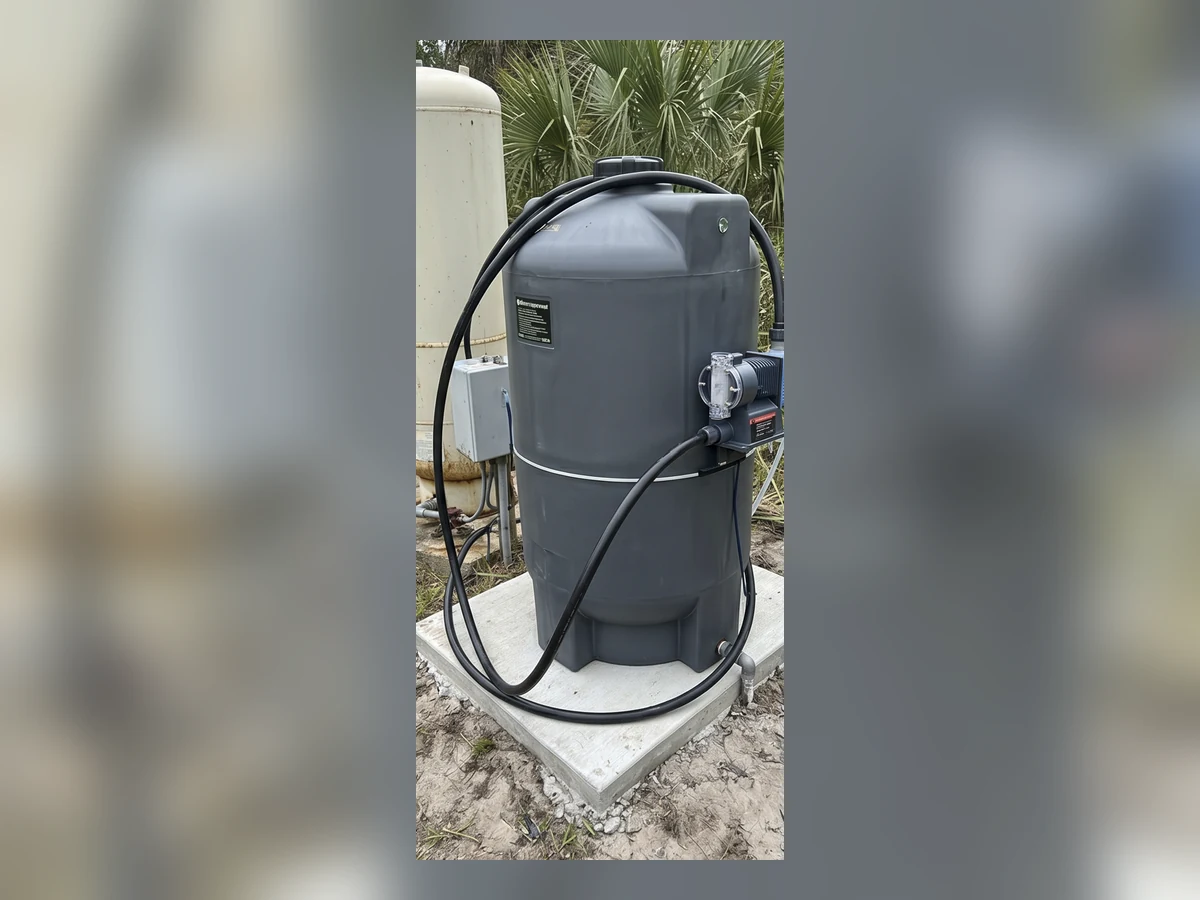
Pressure tank problems often show up as pump short cycling, unstable water pressure, clicking near the switch, or pressure that drops quickly after a fixture opens. These symptoms can overlap with pump, switch, gauge, and leak problems.
The pump starts and stops too often, which can wear out pump components and controls.
Short cycling guideA waterlogged or failed bladder tank may not store pressure correctly.
Waterlogged tank helpRepeated clicking can point to pressure switch, tank, gauge, or system-pressure issues.
Clicking pump helpWhen requesting pressure tank help in Port St. Lucie, include whether the pump cycles rapidly, whether the pressure gauge moves normally, whether the tank feels unusually heavy, and whether water pressure drops during showers, irrigation, or laundry use.
Both systems can cause weak pressure, rapid cycling, or a no-water complaint, but the parts and diagnostic process are different. Identifying the type of equipment near the tank helps narrow the likely cause.
A conventional bladder or diaphragm tank stores pressurized water while a pressure switch starts and stops the pump at set cut-in and cut-out pressures. A failed bladder, incorrect air charge, clogged tank connection, bad gauge, or worn switch can cause rapid cycling and unstable pressure.
A constant-pressure setup often uses a variable-speed controller, pressure sensor, and smaller tank to maintain steadier pressure. Fault codes, sensor trouble, controller problems, wiring faults, or pump issues can look like a bad tank. Include the controller brand and any code shown when requesting help.
Constant-pressure repair guideDo not remove electrical covers, touch exposed wiring, or repeatedly reset a tripping breaker. Do not add air to a pressure tank unless the system has been safely shut down and depressurized by someone familiar with the equipment.